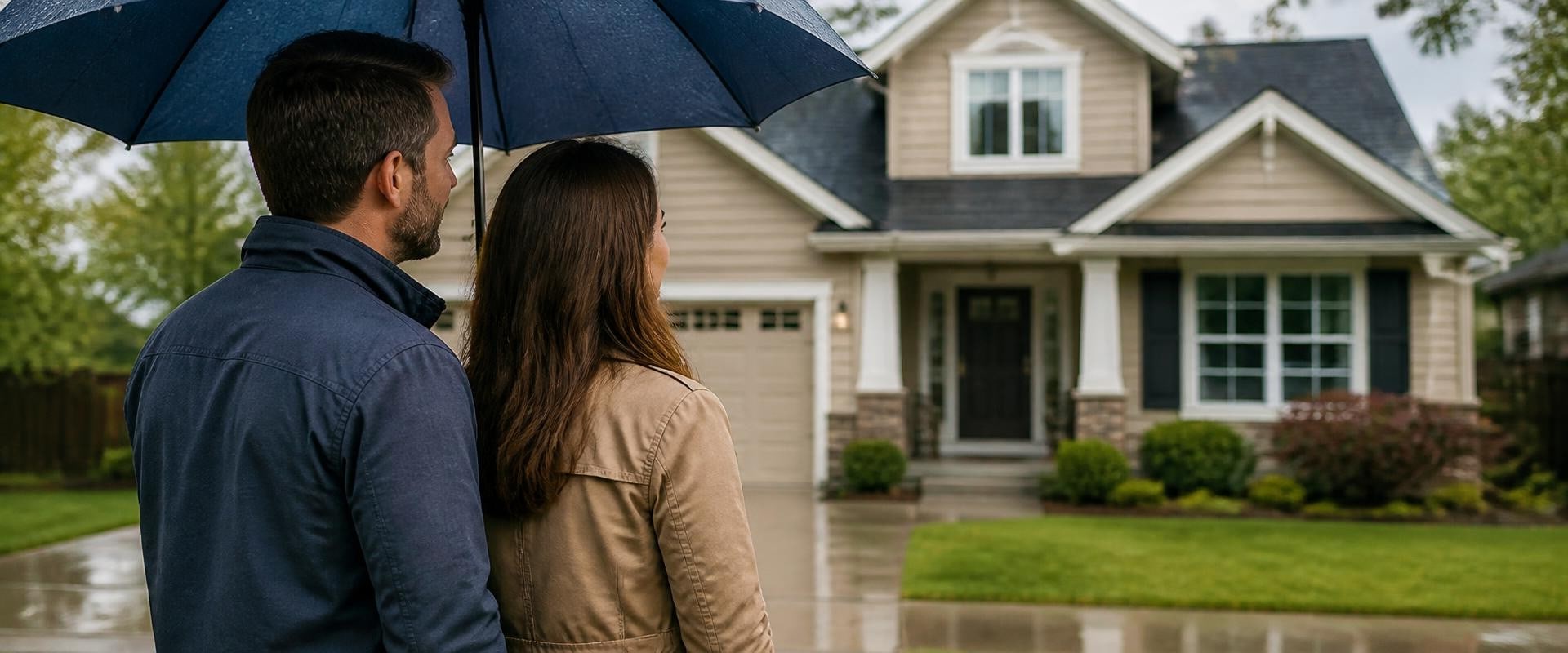
When it comes to protecting your most valuable asset, understanding homeowners insurance coveragehomeowners insurance coveragehomeowners insurance coverage is crucial. Homeowners insurance serves as a safety net, safeguarding not just your home but also your finances against unforeseen events. Whether it's a natural disaster, theft, or liability issues, knowing what your policy includes can make all the difference in a time of crisis. However, many homeowners find themselves puzzled by the intricacies of their coverage, unsure of what is included and what may require additional policies or riders. In this comprehensive guide titled Understanding Homeowners Insurance Coverage, we will demystify the various aspects of homeowners insurance and clarify what protections are available to you.
From dwelling coverage to personal property and liability protection, we aim to equip you with the knowledge necessary to make informed decisions about your insurance needs. We will explore common misconceptions, highlight essential coverage components, and provide insights that can help you navigate the often complex world of homeowners insurance. By the end of this article, you will have a clearer understanding of what homeowners insurance covers, empowering you to choose a policy that best fits your situation. So let’s dive in and unravel the details of homeowners insurance coverage!Homeowners insurance is a crucial aspect of financial security for property owners, providing essential protection for one of the most significant investments individuals typically make in their lives—their home. Understanding homeowners insurance coverage is vital, particularly in light of recent developments in the insurance industry, such as regulatory changes and market trends that can impact homeowners. is vital, particularly in light of recent developments in the insurance industry, such as regulatory changes and market trends that can impact homeowners.
With rising premiums and evolving underwriting practices driven by factors like climate change, it has never been more important for homeowners to grasp what their policy covers. At its core, a standard homeowners insurance policy typically includes several key components. The first of these is dwellings coverage, which protects the physical structure of the home itself. For example, if a fire were to break out and cause significant damage to the house, this coverage would help pay for repairs or even rebuilding the home entirely. This type of coverage is essential for safeguarding against catastrophic events that could otherwise lead to substantial financial loss. Next is personal property coverage, which protects the belongings inside your home.
Imagine coming home to find that your valuable electronics have been stolen during a break-in. Personal property coverage would help you replace those items, ensuring that you’re not left to bear the financial burden alone. It's important to note that this coverage often extends beyond the confines of your home; it can also protect items when they are taken outside, such as your bicycle or laptop. Another critical aspect of homeowners insurance is liability protection. This coverage safeguards homeowners against legal claims resulting from injuries or damages that occur on their property.
For instance, if a guest were to slip and fall on your icy driveway, liability protection would assist in covering medical expenses and any potential lawsuits that could arise from the incident. This type of coverage is particularly important for homeowners who frequently entertain guests or have children who may invite friends over. In addition to these core components, homeowners insurance can also include additional living expenses (ALE) coverage. This kicks in when a home becomes uninhabitable due to a covered event, such as a fire or severe storm. It helps pay for temporary housing costs like hotel bills or restaurant meals while your home is being repaired.
For example, if your home suffers extensive water damage and needs significant repairs, ALE coverage will provide financial relief during that time. While standard policies cover many aspects of homeownership, homeowners should also consider optional coverages based on their specific needs and regional risks. For instance, in flood-prone areas, traditional homeowners insurance typically does not cover flood damage. Homeowners in these regions may want to purchase separate flood insurance to ensure that their properties are adequately protected against this risk. Similarly, residents in earthquake-prone areas should look into earthquake insurance, which is often not included in standard policies. Recent trends in the homeowners insurance market are noteworthy as well.
Many homeowners are facing rising premiums due to various factors such as increased natural disasters attributed to climate change. Insurers are adjusting their underwriting practices to reflect these changes, which can lead to higher rates for certain properties deemed at greater risk. Homebuyers should be aware of how these trends might affect their choices when selecting a policy and consider factors like location and property condition when assessing potential premiums. It's also worth noting contrasting views on coverage options and limitations. While some homeowners may prefer a basic policy to keep costs low, others might seek comprehensive coverage that includes additional protections against specific risks.
Readers should think critically about their individual needs—considering factors like their home's location, local weather patterns, and personal belongings—to determine what level of coverage will best suit them. In conclusion, understanding what homeowners insurance covers goes beyond simply knowing the basic components; it involves being informed about optional coverages, recent industry trends, and evaluating personal circumstances. By grasping these elements, homeowners can make informed decisions that protect their assets and ensure financial stability in an unpredictable world.
Optional Coverages to Consider
While a standard homeowners insurance policy provides essential coverage for your home and personal belongings, it may not cover every risk you face as a homeowner. To ensure comprehensive protection, it's important to consider optional coverages that can fill in the gaps of your policy. One significant optional coverage is flood insurance. Many homeowners are surprised to learn that standard homeowners insurance typically does not cover damage caused by flooding.If you live in a flood-prone area, investing in a separate flood insurance policy can safeguard your property against this common natural disaster. Another important consideration is earthquake insurance. Similar to flood coverage, most homeowners policies exclude damages resulting from earthquakes. Depending on your geographical location, having an earthquake insurance policy can be crucial for protecting your home and assets from seismic events. Additionally, you might want to explore personal umbrella policies. These policies provide extra liability coverage beyond what your homeowners insurance offers.
In the event of a lawsuit or significant claims, a personal umbrella policy can protect your financial stability by covering costs that exceed your standard policy limits. By considering these optional coverages, homeowners can better protect their investments and ensure peace of mind in the face of unforeseen events.
Key Components of Homeowners Insurance
Homeowners insurance is a crucial safeguard for property owners, providing essential coverage that protects against various risks. Understanding the key components of homeowners insurance can help homeowners make informed decisions regarding their policies. Below are the primary elements that constitute a typical homeowners insurance policy.Dwelling Coverage
is one of the core components of homeowners insurance. It protects the physical structure of your home from covered perils such as fire, windstorm, and vandalism.This coverage typically extends to attached structures, like garages and decks. Homeowners should ensure that their dwelling coverage is adequate to rebuild their home in case of a total loss, which often means considering current construction costs in their area.
Personal Property Protection
covers the belongings inside your home, including furniture, electronics, and clothing, against damage or theft. Homeowners should take an inventory of their possessions to determine the appropriate amount of coverage needed. It's important to note that certain high-value items, such as jewelry or art, may require additional endorsements for full protection.Liability Insurance
is another vital component that protects homeowners from legal claims resulting from injuries or property damage that occur on their property.This coverage can help pay for legal fees and settlements if someone sues you after an incident. Most policies include a base amount of liability coverage, but homeowners may want to consider increasing it for added peace of mind. Finally, Additional Living Expenses (ALE) coverage provides financial assistance for living expenses incurred if your home becomes uninhabitable due to a covered loss, such as a fire or severe storm. This may include costs for temporary housing, meals, and other necessary expenses while your home is being repaired or rebuilt. Understanding ALE coverage is crucial for homeowners to ensure they can maintain their quality of life during difficult times. In conclusion, knowing these key components—dwellings coverage, personal property protection, liability insurance, and additional living expenses—enables homeowners to evaluate their insurance needs effectively and make informed choices that enhance their financial security.
Market Trends and Regulatory Changes
In recent years, the homeowners insurance landscape has undergone significant transformations, driven by various market trends and regulatory changes.One of the most notable trends is the impact of climate change, which has led to increased frequency and severity of natural disasters. Insurers are now more cautious when underwriting policies in areas prone to floods, hurricanes, and wildfires, resulting in higher premiums for homeowners in these regions. Additionally, the rise of smart home technology is influencing coverage options. Insurers are beginning to offer discounts for homes equipped with security systems, fire alarms, and other smart devices that can mitigate risks. This shift not only benefits homeowners with lower premiums but also encourages investment in home safety. On the regulatory front, changes in legislation can directly affect insurance rates.
For instance, some states are implementing stricter building codes aimed at enhancing safety and resilience against disasters. While these regulations are beneficial for long-term protection, they may also lead to increased costs for homeowners as insurers adjust their pricing models to account for compliance with new standards. Moreover, the ongoing economic fluctuations and inflation are also impacting the homeowners insurance market. As construction costs rise, insurers may need to adjust their coverage limits and premiums to reflect the true replacement costs of homes. Homeowners should be aware of these shifts to ensure they maintain adequate coverage for their properties. Understanding these market trends and regulatory changes is crucial for homeowners as they navigate their insurance options.
Being informed can help them make better choices about their policies and anticipate potential changes in coverage requirements or costs.
Tips for Choosing the Right Policy
When selecting a homeowners insurance policy, it's essential to consider various factors that will help you find the best coverage for your needs. Here are some practical tips to guide you in making an informed decision:Assess Your Coverage Needs: Start by evaluating your home and personal property. Consider factors like the value of your home, the cost of rebuilding, and the value of your belongings. This assessment will give you a clearer idea of how much coverage you need.Understand Different Types of Coverage:
Familiarize yourself with the various types of homeowners insurance policies available, such as HO-1, HO-2, HO-3, and HO-5.Each type offers different levels of protection, so knowing what each policy covers will help you choose one that meets your specific needs.Consider Additional Endorsements:
Sometimes, standard policies may not cover certain valuable items or specific risks.Look into adding endorsements or riders to your policy for extra protection on things like jewelry, art collections, or home-based businesses.
Compare Quotes:
Always get quotes from multiple insurance providers to compare premiums and coverage options. This will help ensure you are getting the best deal while still receiving adequate protection.Review Your Deductible:
The deductible is the amount you pay out-of-pocket before your insurance kicks in. A higher deductible usually means lower premiums, but be sure you can afford that amount in case of a claim.Check for Discounts:
Many insurers offer discounts for various reasons, such as bundling multiple policies (like auto and homeowners insurance), having a security system installed, or being claims-free. Be sure to ask about any discounts you may qualify for.Read Customer Reviews:
Research the reputation of different insurance companies by reading customer reviews and checking ratings from independent agencies.This can provide insights into how well they handle claims and customer service.
Consult with an Insurance Agent:
If you're feeling overwhelmed, consider consulting with an independent insurance agent. They can help you navigate through your options and find a policy that fits your specific needs. By following these tips, you can better assess your requirements and select a homeowners insurance policy that provides peace of mind and adequate protection for your home and belongings. In conclusion, understanding homeowners insurance coverage is vital for protecting your most valuable assets and ensuring financial stability. As we have explored, knowing the key components of homeowners insurance, as well as the optional coverages available, allows homeowners to tailor their policies to meet their unique needs. Additionally, being aware of current market trends and regulatory changes can significantly impact your coverage options and costs. It is essential to stay informed about these developments and regularly review your policy to ensure it aligns with your circumstances.We encourage readers to seek personalized advice from insurance professionals, who can provide valuable insights and guidance in navigating the complexities of homeowners insurance.